
Projektbüro für Machbarkeitsstudien in der Lausitz
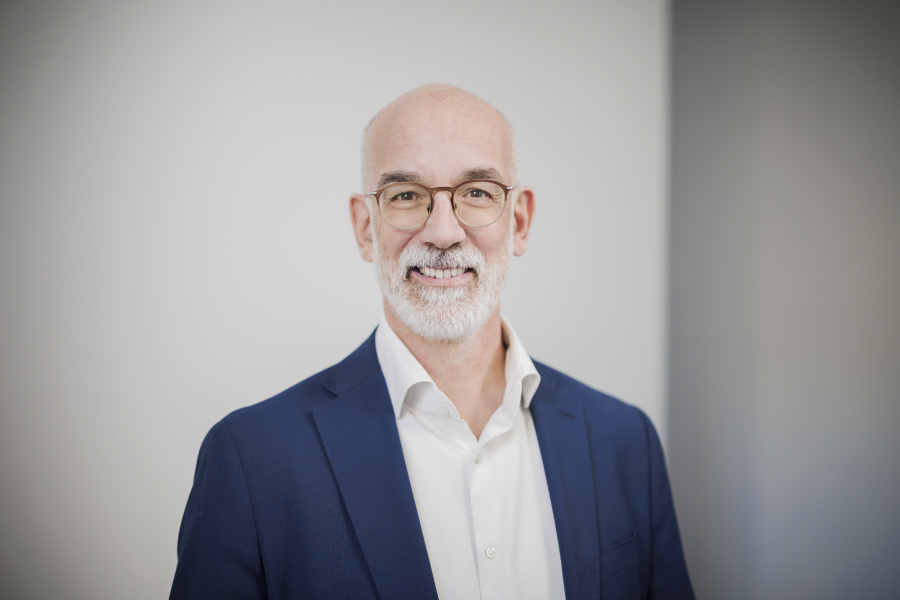
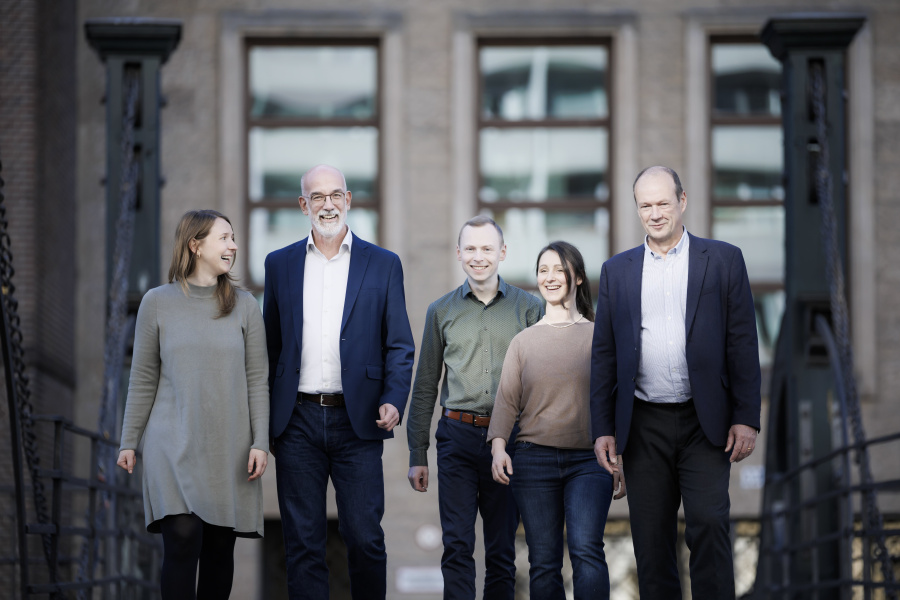
Sachsen kommt im europäischen Wettbewerb um das Einstein Telescope deutlich voran. Für die mit Unterstützung von Bund und Land laufende umfassende Machbarkeitsstudie in der Lausitz wird ein eigenes Projektbüro eingerichtet. Astroteilchenphysiker Christian Stegmann und Geophysiker Andreas Rietbrock haben als Doppelspitze jetzt offiziell die wissenschaftliche Leitung des im Aufbau befindlichen Teams.
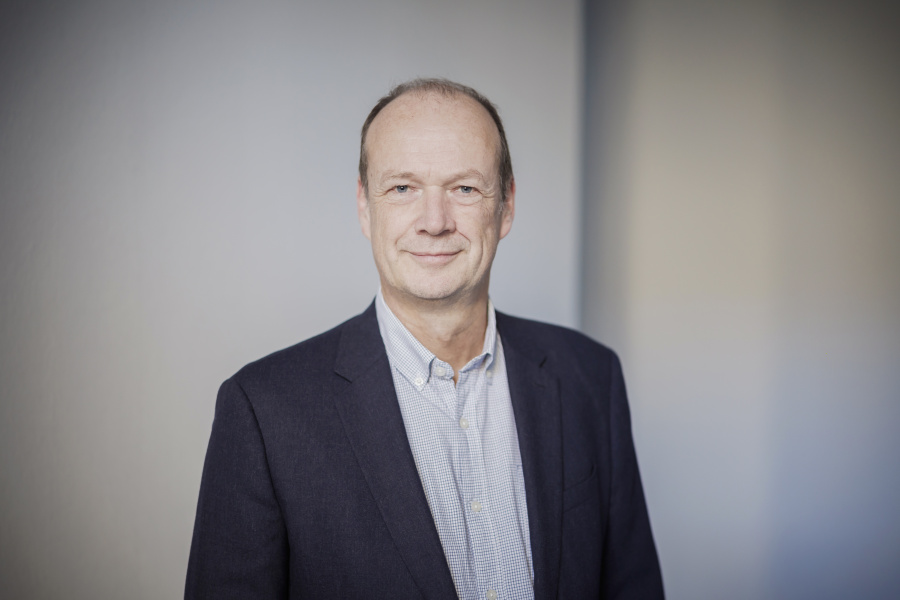
Andreas Rietbrock: „Für seine hochsensiblen Messungen ist das Einstein Telescope auf einen stabilen Untergrund und ein geringes seismisches Rauschen angewiesen. Die Lausitz verfügt über äußerst vielversprechende geologische und seismologische Voraussetzungen – das bestätigen erste Messungen, die wir durchgeführt haben. Unsere Machbarkeitsstudie wird diese Stärke mit einer fundierten wissenschaftlichen Datenbasis untermauern.“
Christian Stegmann: „Für das Einstein Telescope brauchen wir nicht nur einen Ort mit geologischer Stabilität und seismologischer Ruhe, sondern auch Menschen, die das Observatorium in den kommenden Jahren mit uns aufbauen wollen. Die Lausitz steht für beides. Mit unserem Projekt vereinen wir langjährige Erfahrungen im Bergbau, Wissenschaft auf höchstem internationalem Niveau sowie die Kompetenzen der Region als wachsender Wissenschafts- und Innovationsstandort."
Gemeinsam mit dem Karlsruhe Institut für Technologie (KIT) prüft das sächsische Konsortium den Standort mit hoher Intensität. Ziel ist es, die Eignung der Lausitz als geeigneten Standort für das Einstein-Teleskop zu belegen. Das Team profitiert dabei von den langjährigen Erfah-rungen aus dem Bergbau. Im Laufe des Jahres werden umfangreiche Daten zum Untergrund gesammelt und ausgewertet – denn für die hochsensible Forschungsinfrastruktur sind vor allem geologische und seismologische Voraussetzungen entscheidend. Und hier überzeugt die Lausitz: stabiles Granitgestein, dünne Besiedelung und sehr geringe Erdbebenaktivität bieten hervorragende Voraussetzungen für das Einstein Telescope.
Wissenschaftsminister Sebastian Gemkow: «Mit Prof. Stegmann und Prof. Rietbrock stehen zwei exzellente Wissenschaftler an der Spitze der sächsischen Standortbewerbung für das Einstein Telescope. Mit ihrer Expertise und ihrem Netzwerk vermögen beide nicht nur zu über-zeugen, sondern zu begeistern. Neben dem Nachweis der wissenschaftlich besten Rahmenbedingungen geht es im Standortwettbewerb auch darum, dass sich die Menschen in Ostsachsen damit identifizieren können. Für Wissenschaft und Wirtschaft in der Strukturwandelregion Lausitz ist das eine einmalige Chance.«
Maßstab für Sachsen ist die wissenschaftliche Exzellenz des Projekts: das Einstein-Teleskop soll den bestgeeigneten Standort in Europa bekommen. Neben den geologischen und seismo-logischen Voraussetzungen zählen dafür auch die Stärken der Forschungslandschaft. Mit der TU Dresden, dem Deutschen Zentrum für Astrophysik (DZA), der Bergakademie Freiberg (TU-BAF) und hoher technologischer Kompetenz verfügt der potenzielle Standort über herausragende Expertise in zahlreichen Schlüsselbereichen des Projekts.
TU Dresden-Rektorin Ursula M. Staudinger: »Die Einrichtung des Projektbüros und die damit verbundene Machbarkeitsstudie sind ein weiterer wichtiger Schritt auf dem Weg, die hervorragende Eignung der Lausitz als Standort für das Einstein Telescope zu stärken und wissenschaftlich fundiert zu belegen. Dieses einzigartige Vorhaben steht für eine neue Dimension der Gravitationswellen- und Astroteilchenphysik, die die internationale Spitzenforschung über Jahrzehnte prägen wird. Die TU Dresden als Exzellenzuniversität bringt ihre Stärken in den Bereichen Hochleistungsrechnen, KI-gestützter Datenanalyse, Optoelektronik und Präzisionsmesstechnik ein, um den Standortaufbau voranzutreiben und die Voraussetzungen für eine erfolgreiche europäische Bewerbung zu schaffen.«
Um die europäische Dimension des Projektes zu stärken, hat Sachsen bereits eine Kooperation mit Sardinien geschlossen. Beide Standorte wollen eng zusammenarbeiten und ihre Stärken bündeln – insbesondere für den Fall, dass das Einstein Telescope als zwei L-förmige Tunnel an zwei unterschiedlichen Standorten in Europa gebaut wird. Ziel Sachsens ist es, Spitzenforschung und Spitzentechnologie in die Mitte Europas zu holen und dabei ganz besonders auch die Wissenschaft in den Nachbarländern Polen und Tschechien aktiv einzubinden.