The Einstein Telescope:
A new window to the universe
In 2015, gravitational waves were directly detected for the first time, roughly a century after Albert Einstein had predicted their existence. This discovery marked the beginning of a new era in astronomy: since then, the universe has been observed not only through light, but also through the subtlest distortions of spacetime.
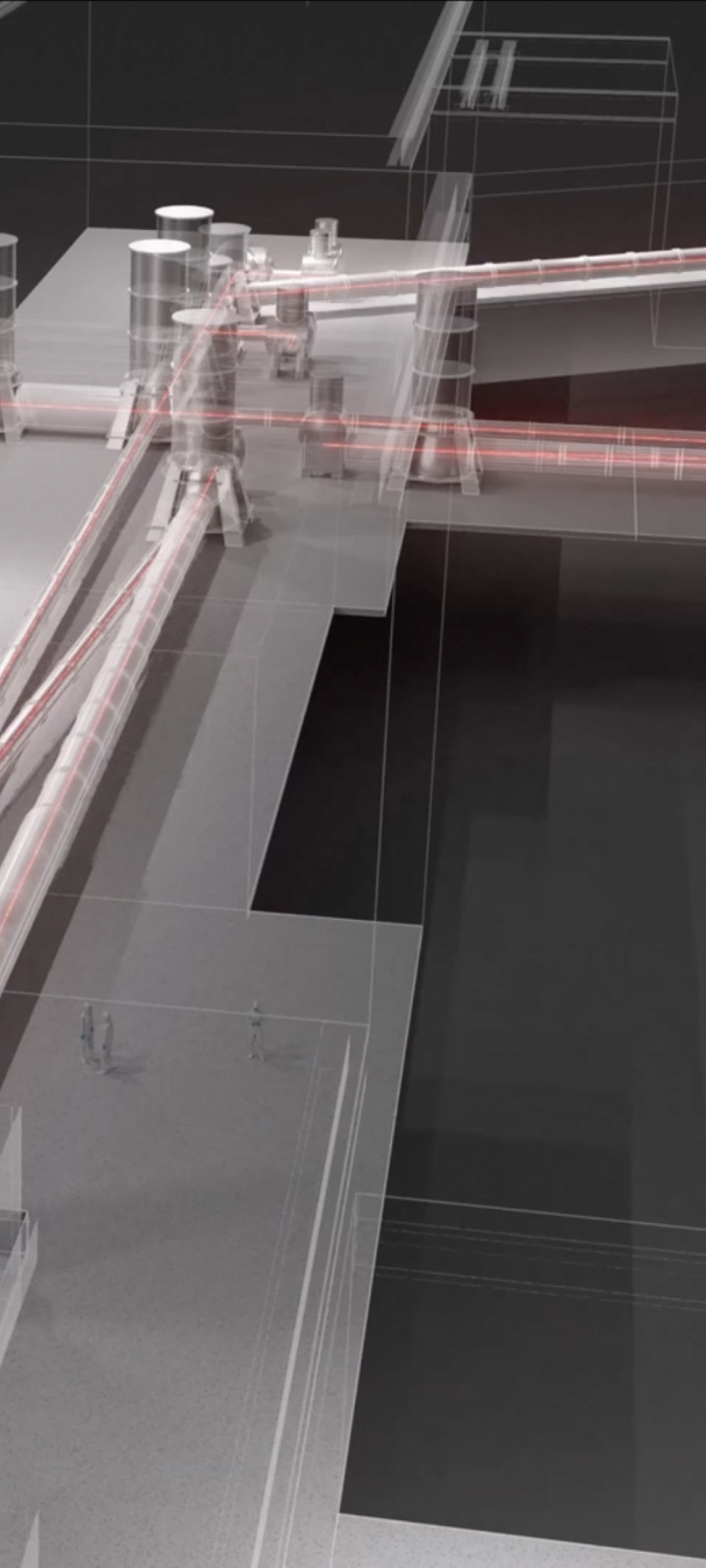
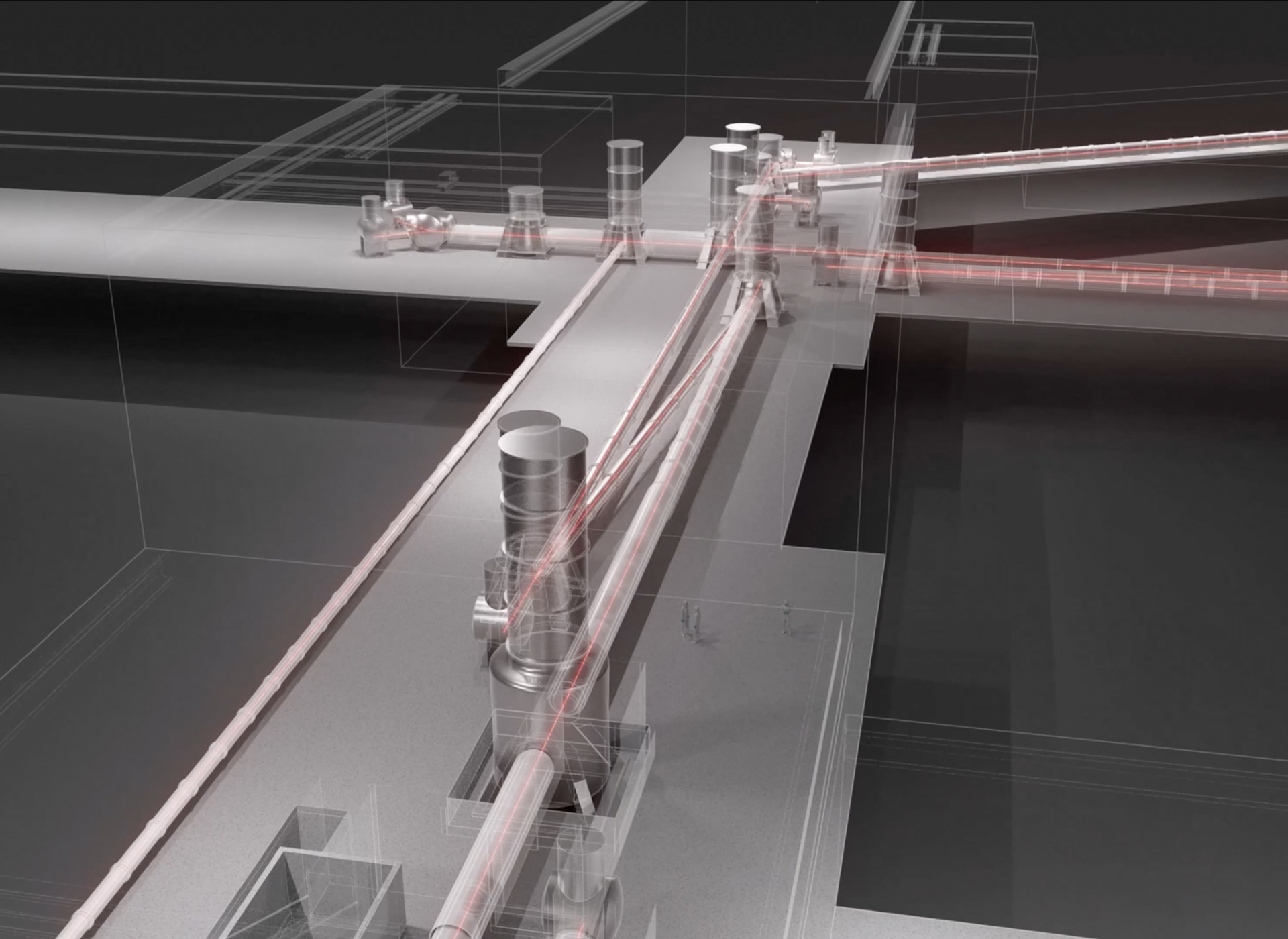
The Einstein Telescope, a planned underground gravitational-wave observatory, is set to take this young field of research to a new level. It promises insights into previously hidden phenomena—from the formation of black holes to the earliest moments of the cosmos. Three regions in Europe, including Lusatia, are potential sites.
High-tech for cutting-edge discoveries
Facts at a glance
- Next-generation gravitational-wave observatory
- 10 times more precise than previous facilities: able to detect length changes smaller than 1/10,000 of an atomic nucleus
- Lusatia is 1 of 3 European candidate sites
Lusatia reaches for the stars.
Lusatia is bidding to host the Einstein Telescope.
Because we can - here in eastern Germany, on solid ground, with the spirit of Europe.
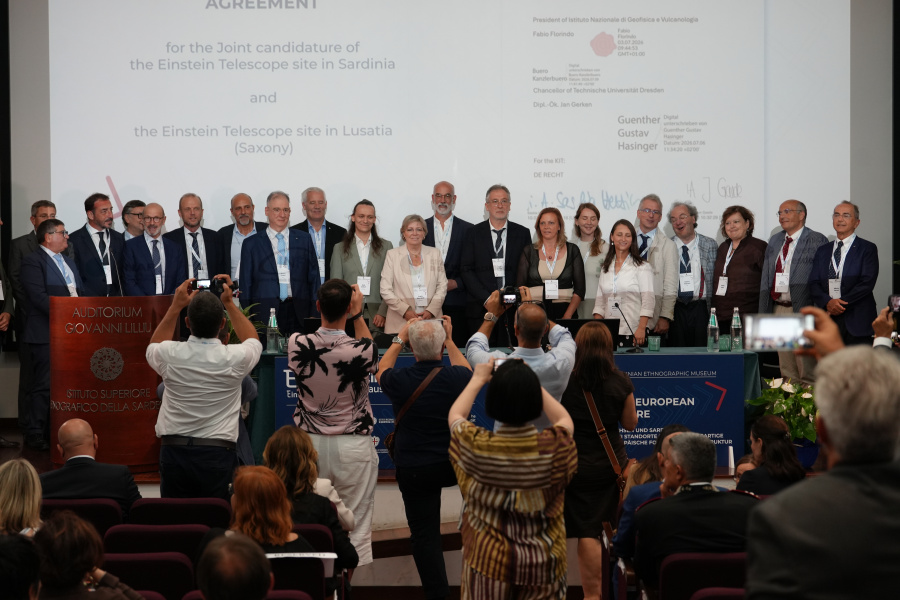
Lusatia and Sardinia Sign Joint Bid Agreement
Lusatia and Sardinia will jointly compete to host the Einstein Telescope (ET). On 17 July 2026, leading German and Italian research institutions signed a cooperation agreement in Nuoro, Sardinia, to work together on the joint implementation of the Einstein Telescope. The proposal envisions two L-shaped gravitational-wave detectors—one in Lusatia and one in Sardinia.
In eastern Germany, we’ve got the experience to drive major projects.
Hardly any region in Germany is as familiar with change as Lusatia. Periods of industrial growth were followed by profound upheavals. Here, change is not an exception, but a way of life. With the phase-out of coal, an ecosystem for innovation is emerging today: science, business, government and civil society are working together on the region’s future. Major projects are coordinated and implemented quickly and reliably - supported by the expertise of local companies and on-site specialists. The Einstein Telescope needs a location that can shape change - politically, culturally and through networking. Lusatia brings exactly this strength to the table.
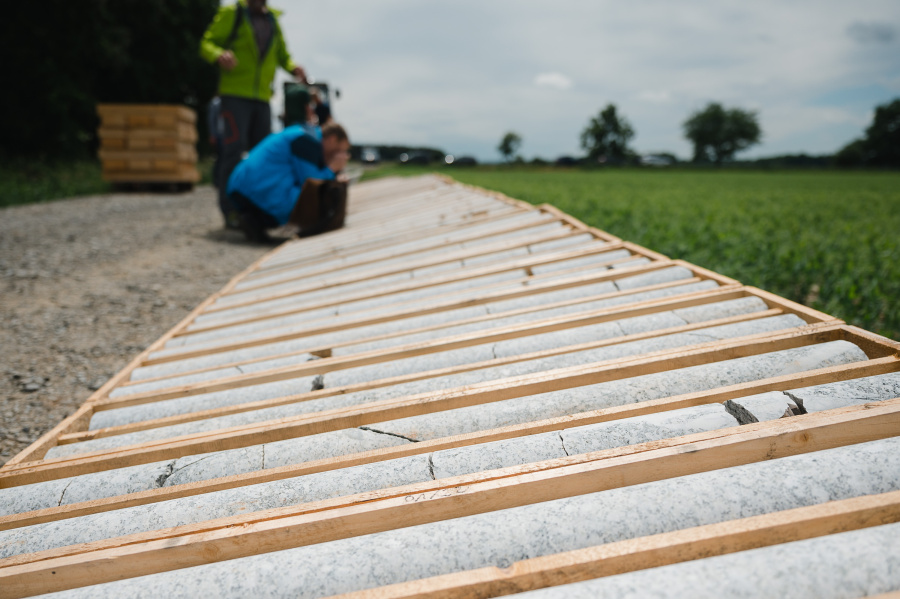
Standing on solid ground: Stability that guarantees precision.
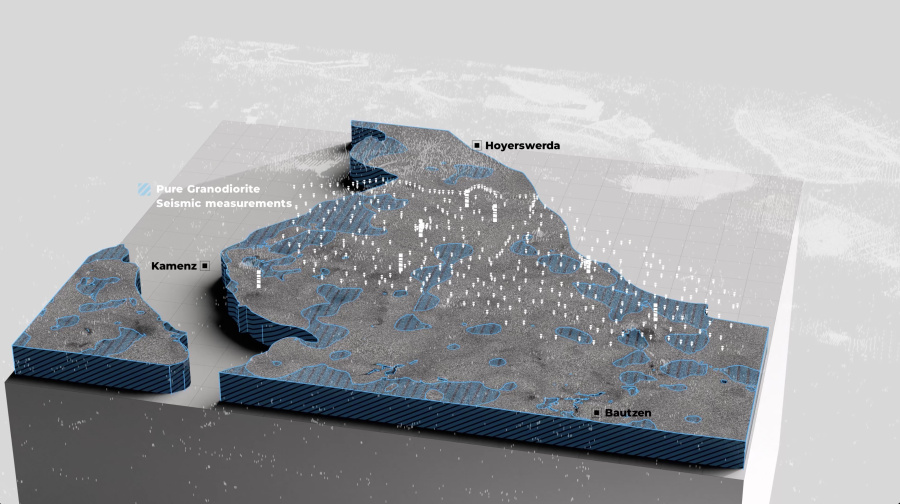
Beneath the Lusatia region lies a stable granodiorite formation, which is ideal for the highly sensitive measurements of the Einstein Telescope. Low seismic activity, a low-disturbance environment and suitable depths provide the foundation for maximum accuracy. Scientific studies are currently evaluating which location within the region is optimal for the telescope. Four criteria are central to this assessment: scientific suitability, structural feasibility, long-term operational reliability and the predictability of costs and risks. Without stability and safety, the Einstein Telescope cannot achieve its goals. Lusatia provides the sturdy foundation upon which the Einstein Telescope can be built.
With the spirit of Europe: A region that builds bridges.
Lusatia is emerging as a hub for international science: universities, colleges, research centers and technology transfer initiatives are pooling their expertise and fostering the next generation of researchers. At the same time, Lusatia is home to the Sorbian people. Cultural bridges connect it to Eastern Europe: from Berlin and Dresden to Prague, the Polish cities Wrocław, Warsaw and beyond. Here, the Einstein Telescope would not stand in isolation, but would be part of a European network of talent, technology and collaboration. The Einstein Telescope requires long-term stability for research, a skilled workforce and strong collaboration. Lusatia offers this environment and thus strengthens the future of Europe.
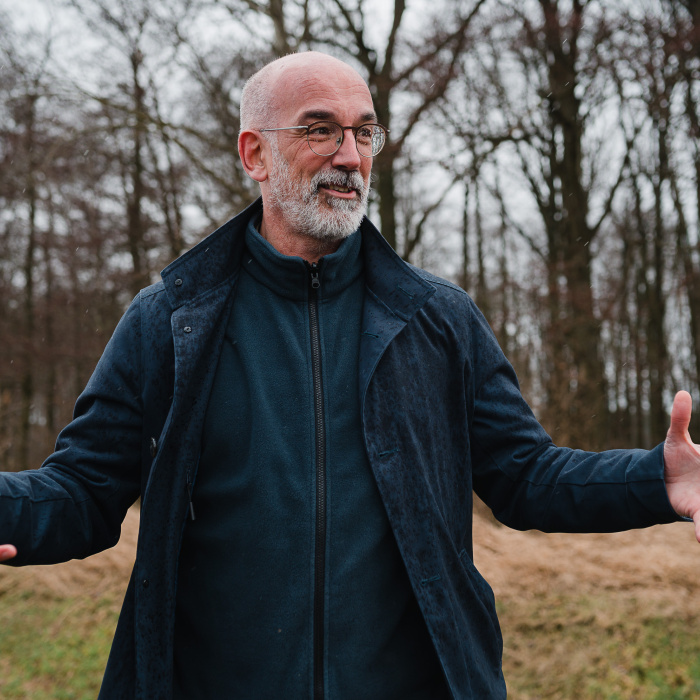
Prof. Christian StegmannScience is more than just technology - it is a cultural asset that connects people and nations. The Einstein Telescope embodies Europe’s shared curiosity and represents research as a project of international partnership. Lusatia offers not only the necessary geological conditions, but also the spirit of cooperation that great science requires.
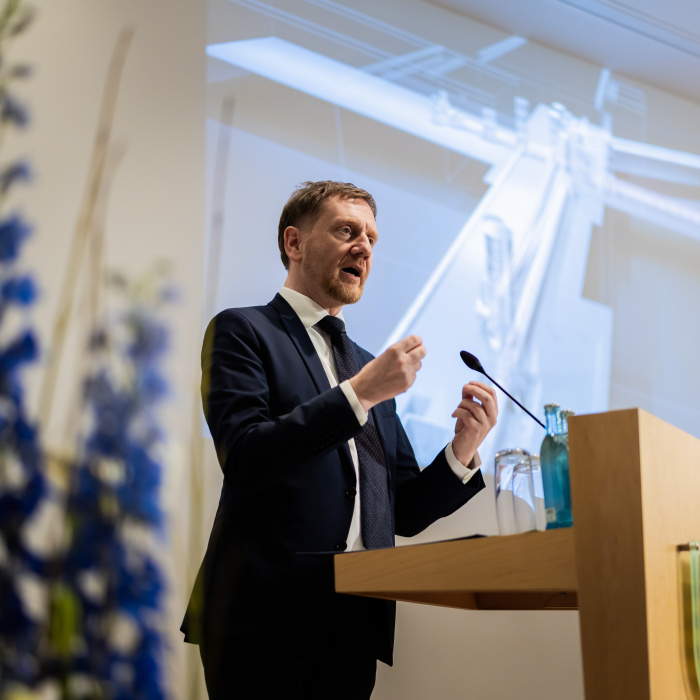
Michael Kretschmer (CDU)Saxony approaches research on a European scale. Projects like the Einstein Telescope combine regional strengths with a global perspective. This generates knowledge that has an impact far beyond the present - and fosters a scientific hub that takes responsibility for the future.
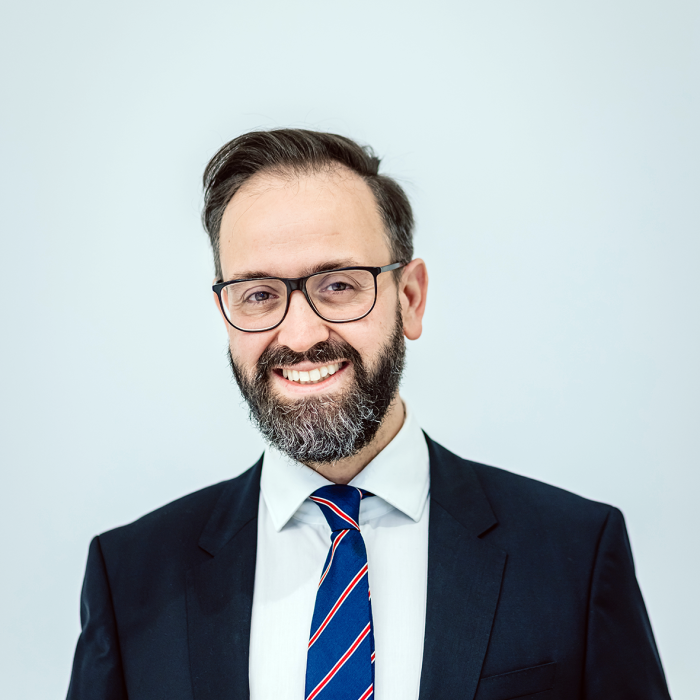
Sebastian Gemkow (CDU)The chance to bring the Einstein Telescope to Lusatia is a once-in-a-lifetime opportunity. If we succeed, this would mark the establishment of the first major research infrastructure of European significance with global reach in eastern Germany. Lusatia as a site offers the ideal conditions for this project.

Franziska Schubert (Bündnis 90/Grüne)The Einstein Telescope opens up a strong additional prospect for Lusatia, a region actively shaping its transformation. It reflects the confident aspiration of a region on the rise. Anyone bidding to host one of Europe’s most ambitious research projects is, in effect, saying: 'We believe we’re up to the task.'
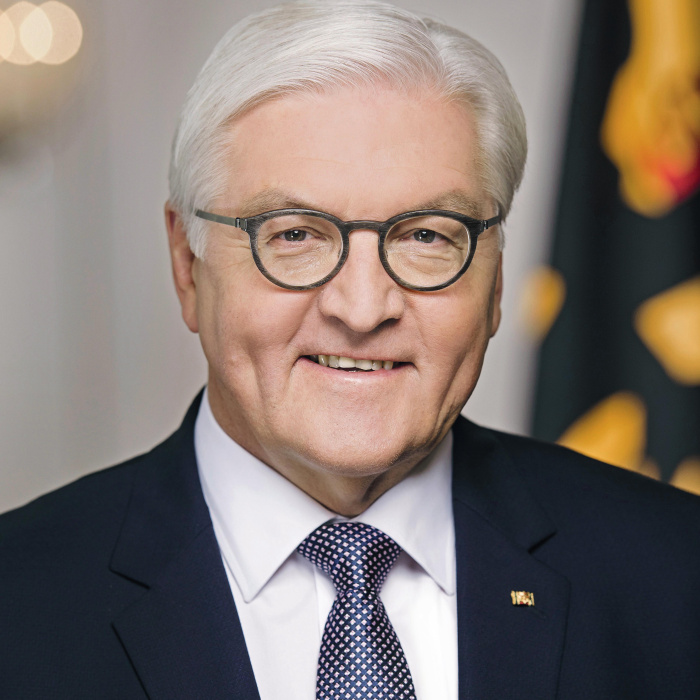
Frank-Walter SteinmeierMany of the young people who graduate from high school here [...] leave to go to college [...] and we don’t know when or whether they’ll come back. That’s why the task is clear—and I get the impression that people are working on it with the utmost intensity—to make the region [...] attractive to young people, particularly by expanding it as a hub for science, so that they may leave temporarily but will happily return for modern, promising jobs.
Interview on DLF’s “Denkfabrik” on November 24, 2025, in Hoyerswerda
European selection procedure
The decision on the site will be made as part of a European competition. In addition to Lusatia, Sardinia and the Euregio Meuse-Rhine are also in the running. The evaluation will consider geological and seismic suitability, technical feasibility, long-term stability, as well as political and financial support. Project activities in Lusatia are being carried out in close coordination with the European project structures.