
Why Lusatia is ideally suited
Lusatia is exceptionally well documented: tens of thousands of boreholes, hundreds of thousands of measurement points, and digitized subsurface data spanning several decades provide a detailed picture of the granodiorite. The data show that the rock is homogeneous, stable, and subject to only minor tectonic disturbances. Clay-rich cover layers confine groundwater, and the sparsely populated region ensures particularly stable subsurface conditions.
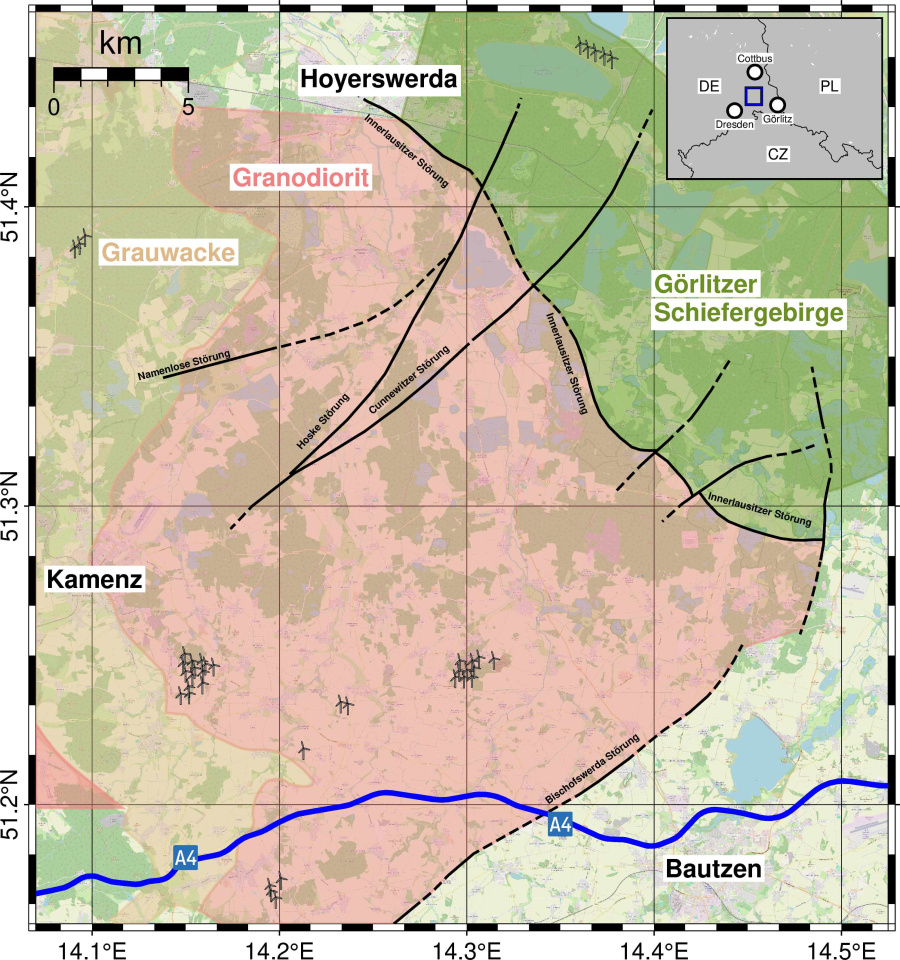
Site assessment: Scientifically sound and clearly structured
A comprehensive site assessment is currently underway in Lusatia, following a clearly structured, scientific plan. The investigations to determine the precise location are focused on the Bautzen district in the region between Bautzen, Kamenz, and Hoyerswerda. Further deep drilling, seismic measurement programs, geotechnical analyses, and subsurface modeling are supplemented by tunnel and feasibility studies. This lays the foundation for Lusatia to face a European site selection decision based on transparent and comparable scientific and economic criteria.
Innovation and high-tech
Saxony is a leading high-tech hub with internationally recognized clusters, particularly in microelectronics and semiconductors. High-performing industrial and technology companies create a research-oriented ecosystem with high value creation and broad collaboration opportunities. In addition, Saxony’s research landscape offers outstanding expertise and a close-knit national and European network, ideal conditions for large-scale research projects such as the Einstein Telescope.
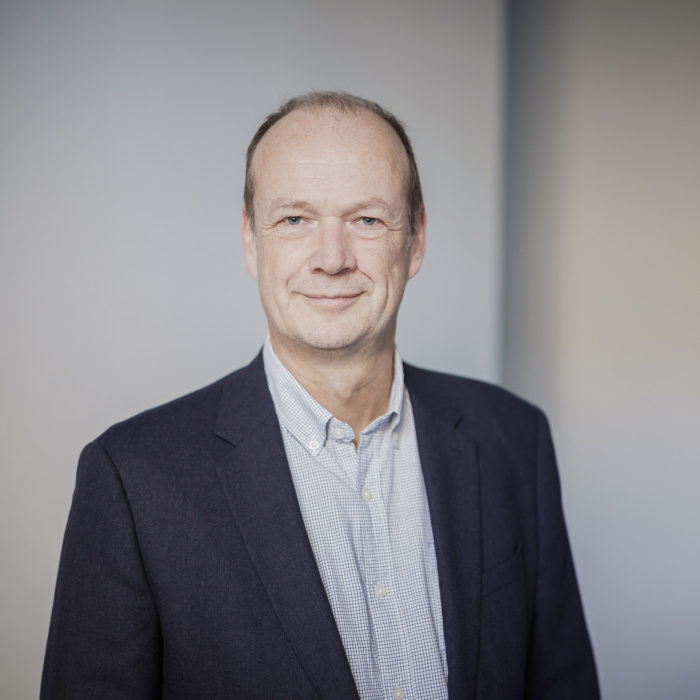
Prof. Andreas RietbrockLusatian granite offers exceptional stability and homogeneity. These are ideal conditions for an underground observatory, which are rarely found anywhere in the world. Combined with the existing research infrastructure and the proven expertise at the site, this creates a scientifically robust overall package.

Prof. Ursula M. StaudingerAs a university of excellence, Dresden University of Technology offers precisely the top-level interdisciplinary expertise that the Einstein Telescope requires - from high-performance computing and AI-supported data analysis to optoelectronics and precision measurement technology. With our international master’s program in ‘Astrophysics and Technological Methods’ we are also laying the groundwork to attract and develop talent from around the world for this field of research
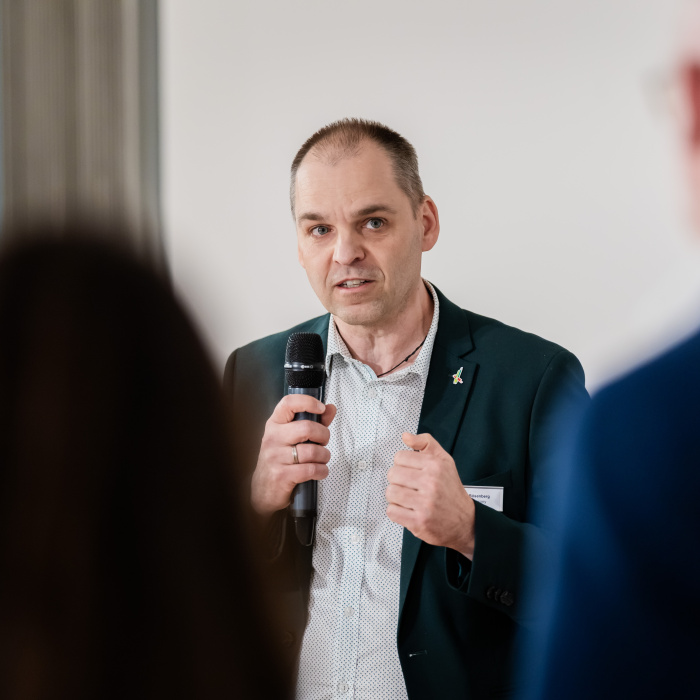
Frank BösenbergSaxony is exceptionally well-positioned as a business location. Saxony is already Europe’s largest microelectronics cluster. Currently, around 16 billion euros are being invested in new semiconductor plants. This demonstrates that we can successfully implement complex large-scale projects and are highly capable in handling advanced technologies - both in science and in industry.
Front-runner in geological data depth and coverage
What sets Lusatia apart in a European comparison is its exceptionally comprehensive database. The region boasts:
- More than 34,000 documented historical boreholes
- Approximately 194,000 geophysical measurement points
- About 970 mapped geological outcrops
- Systematically digitized subsurface documentation spanning several decades
As part of Saxony’s raw materials strategy, this data was systematically collected, archived, and digitized. As a result, Lusatia is now one of the best geologically characterized regions in Europe.